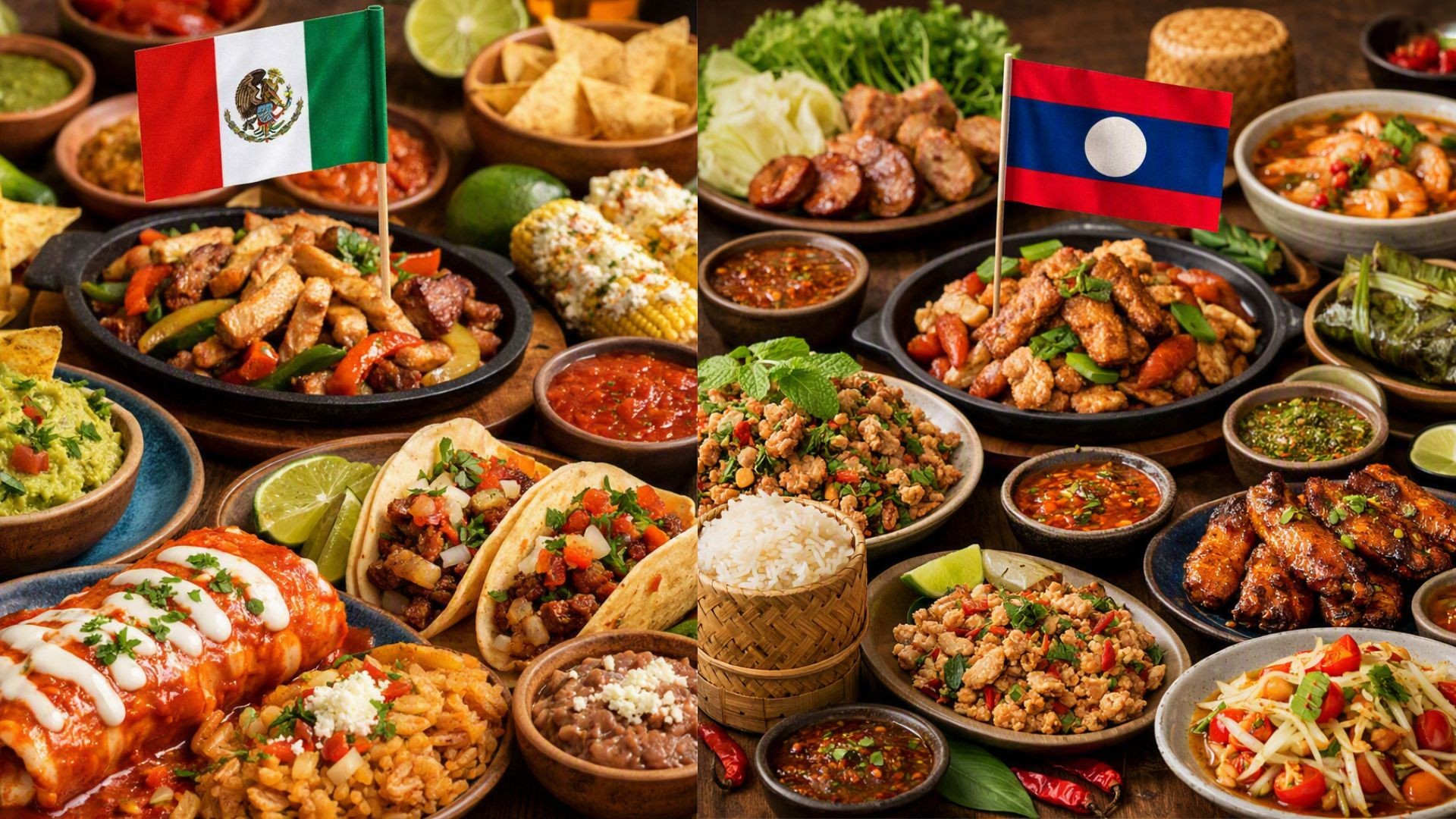

When I visited Mexico, I was struck by how much it reminded me of Laos. Despite being separated by vast oceans and continents, these two vibrant cultures share surprising culinary and cultural parallels. Here are the similarities that impressed me the most.
A Shared Palette of Ingredients 🎨
Both Mexican and Lao kitchens rely heavily on a classic trio: cilantro ຫອມປ້ອມ (Hom Phom), chilli ຫມາກເຜັດ (Maak Phed), and lime ຫມາກນາວຂຽວ (Maak Nao Khiao). However, how each culture uses them leads to wildly different flavor profiles:
- Mexico blends them into bright, smoky salsas.
- Laos uses them to build layered, herbal, sour, and fiery sauce ແຈ່ວ (Jeow).
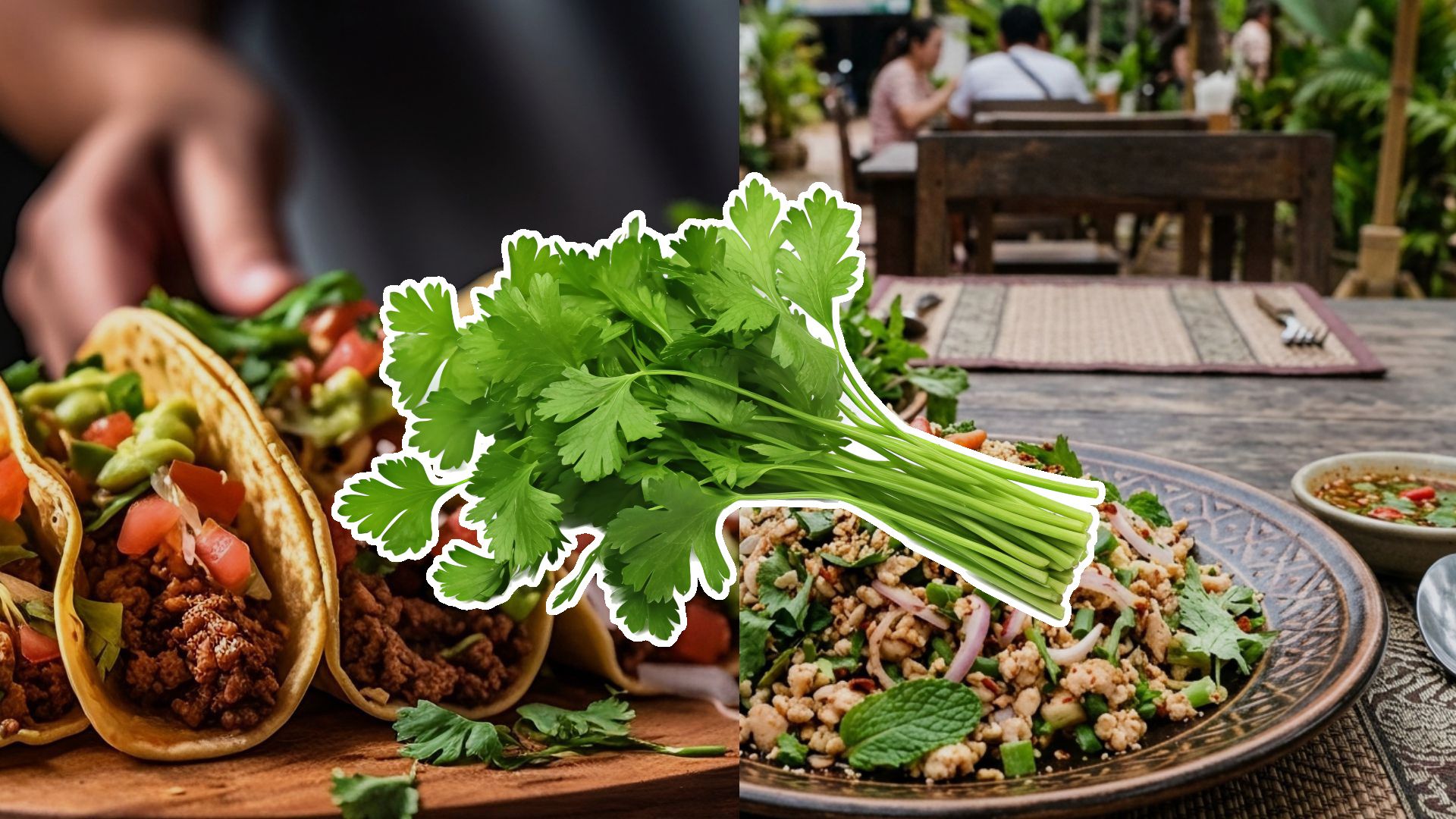
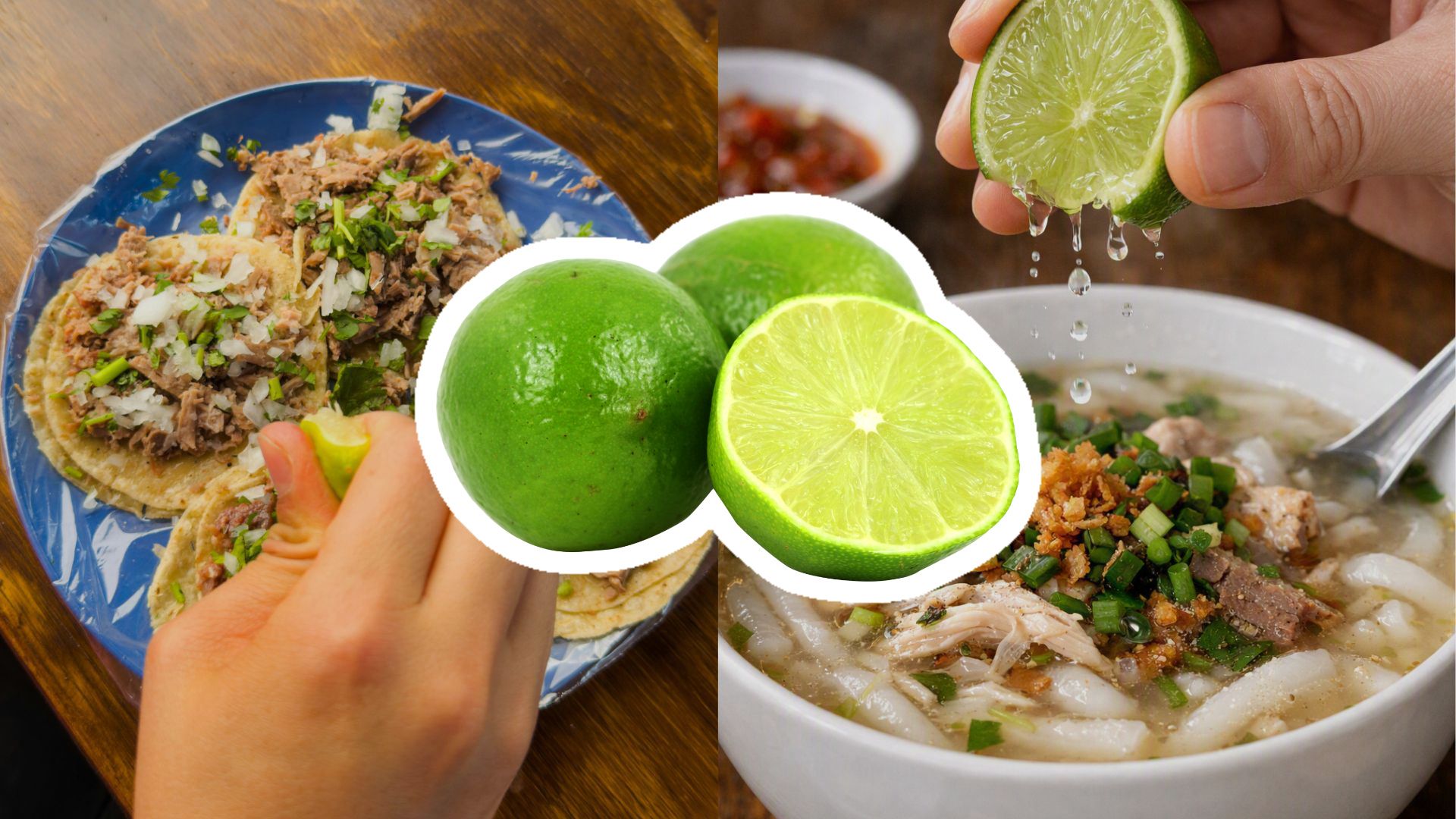
While coriander/cilantro divides people (some think it tastes like soap!), both cultures share an unyielding love for spicy food. 😶
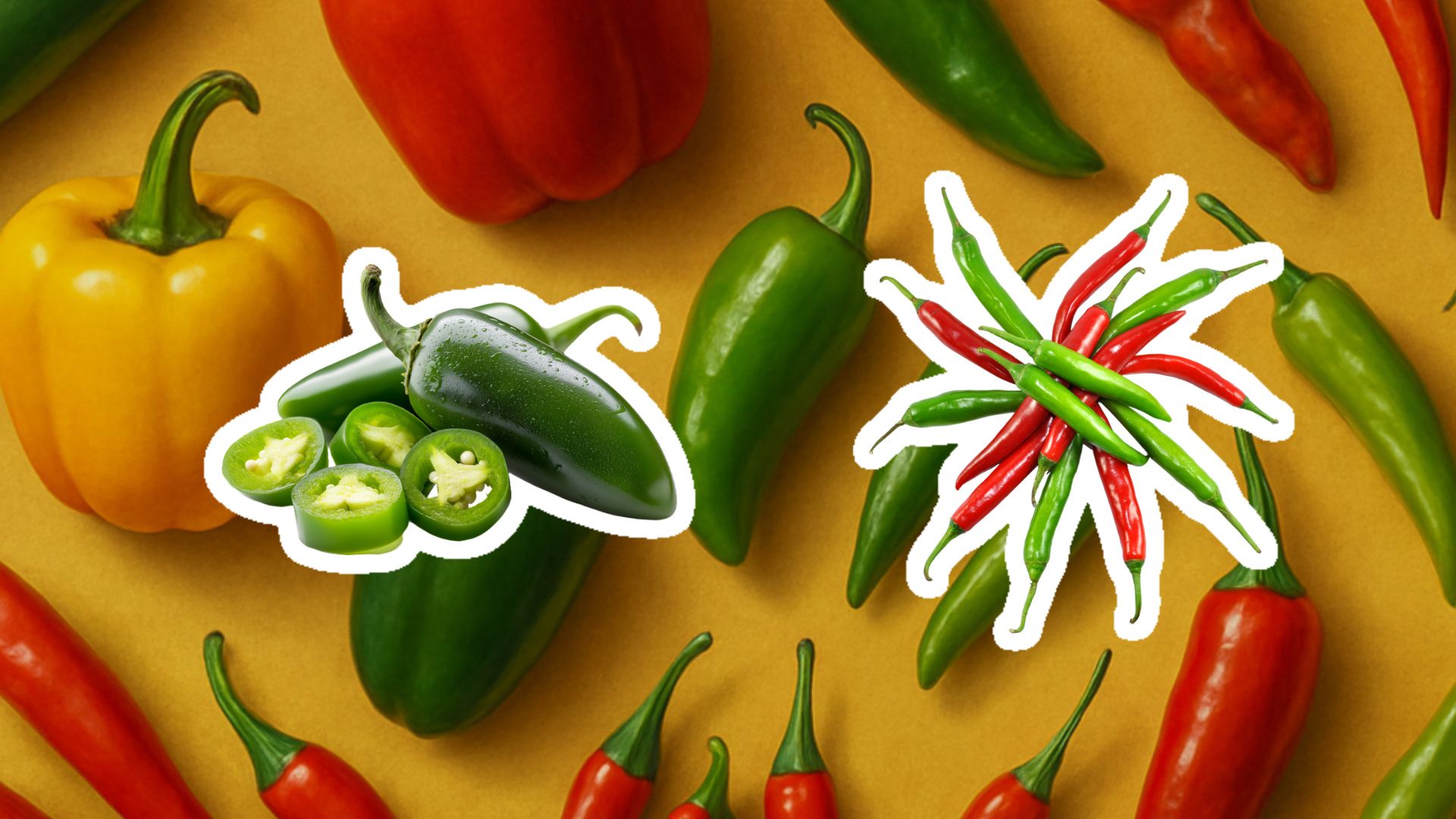
Comparing peppers is just as fascinating; Mexican Jalapeños and Lao Chilli both pack serious heat, yet each brings its own unique flavor to the table. Seeing how two distinct places turn the exact same raw elements into their own signature tastes left a lasting impression on me.
💁♂️ ພະທາບໃຈຫຼາຍໆ pathab jai lai2 (I'm very impressed)!.
Dishes with the Same Heart 🌮🍚
The parallels don't stop at raw ingredients; they extend to how meals are constructed and enjoyed.
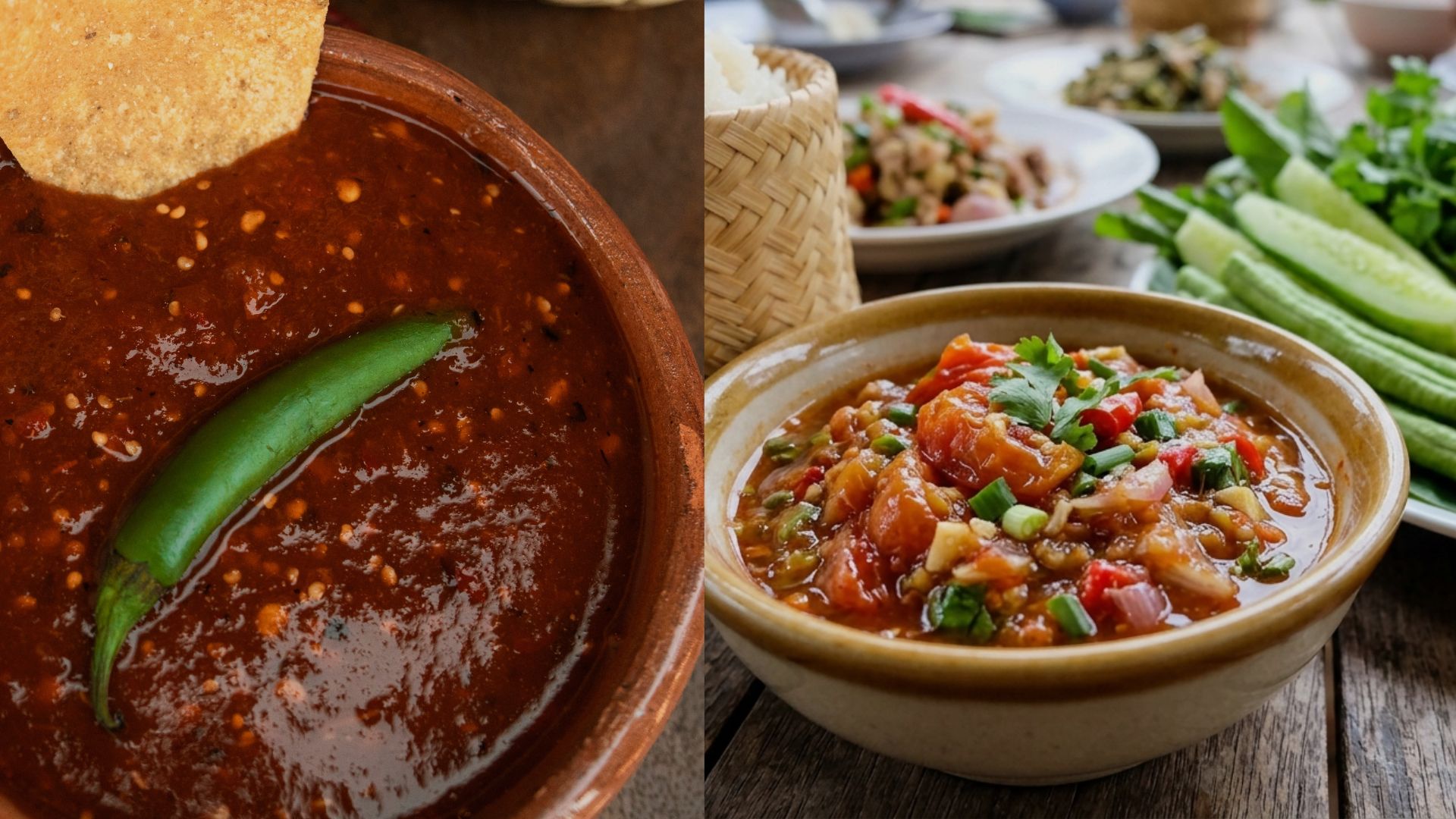
- Dips & Condiments: What Salsa is to Mexico, Jeow ແຈ່ວ is to Laos; a spicy, tangy staple that completes the table. Whether it’s a classic Mexican red/green salsa or Lao favorites like ແຈ່ວໝາກເລັ່ນ Jeow Maak Len �� (tomato sauce) and ແຈ່ວໝາກເຂືອ Jeow Maak Kheua 🍆 (eggplant sauce), they look remarkably similar, even if their flavor profiles are worlds apart.
- Organic Cooking Wraps: Both cultures turn to nature for packaging. Mexicans wrap tamales in corn husks, while Lao cooks use banana leaves to steam dishes like ໝົກປາ Mok Paa (herbed fish).
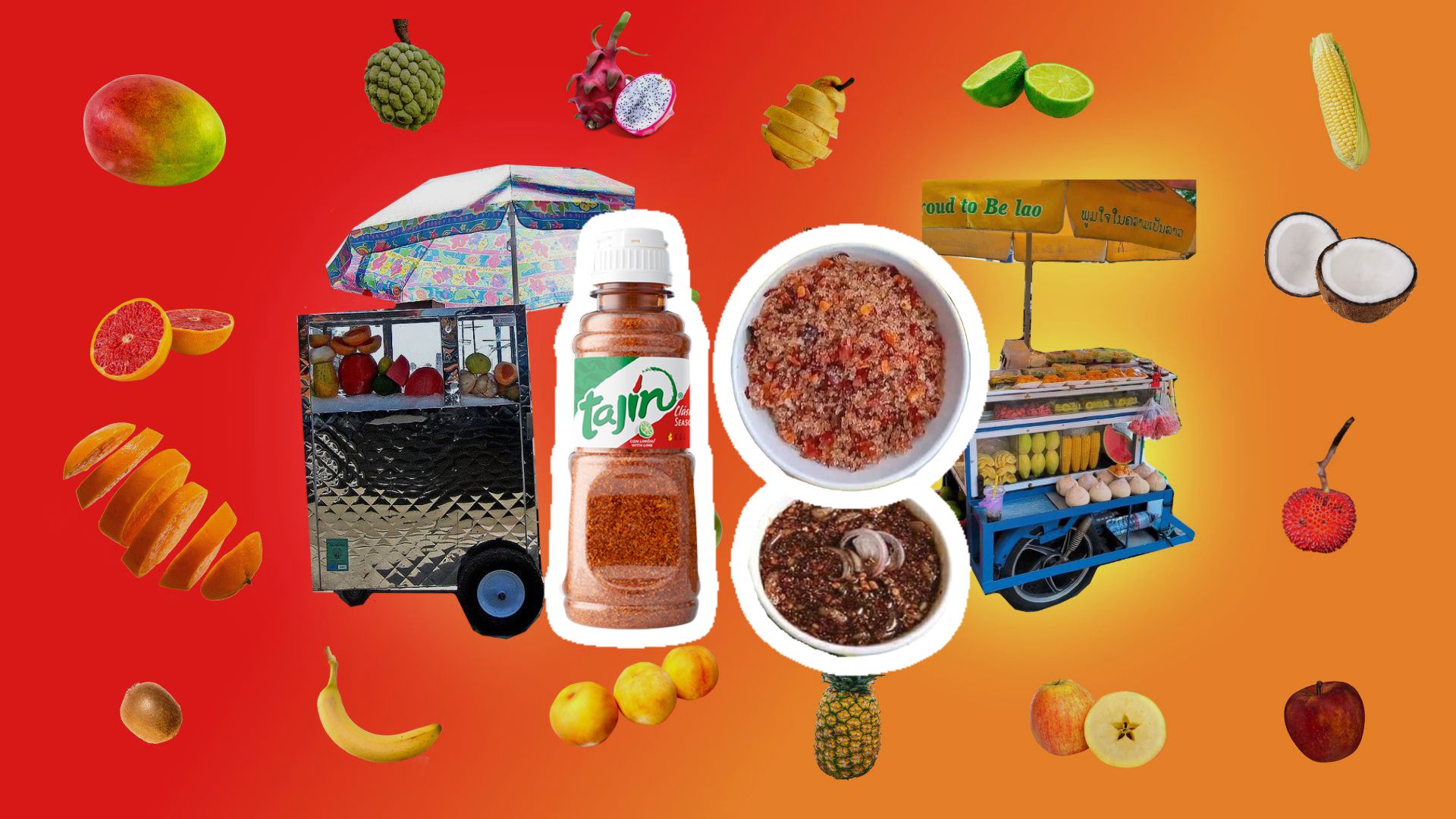
- Elevated Fruit Snacks: While many Western cultures eat fruit plain, both Mexicans and Lao people prefer a burst of flavor with every bite.
In Mexico, fresh mango or pineapple is dusted with spicy, tangy Tajín.
In Laos, fruit comes paired with:- ແຈ່ວນ້ຳ Jeow Nam (Liquid Sauce) - often laced with chilies, herbs, and padaek or
- ແຈ່ວເກືອ Jeow Keua (Salt Sauce) a crunchy chili-salt-sugar mix.
Different sauces, same tradition: turning fresh fruit into a flavorful, shared snack.
Essential Kitchen Tools 🔪🍴
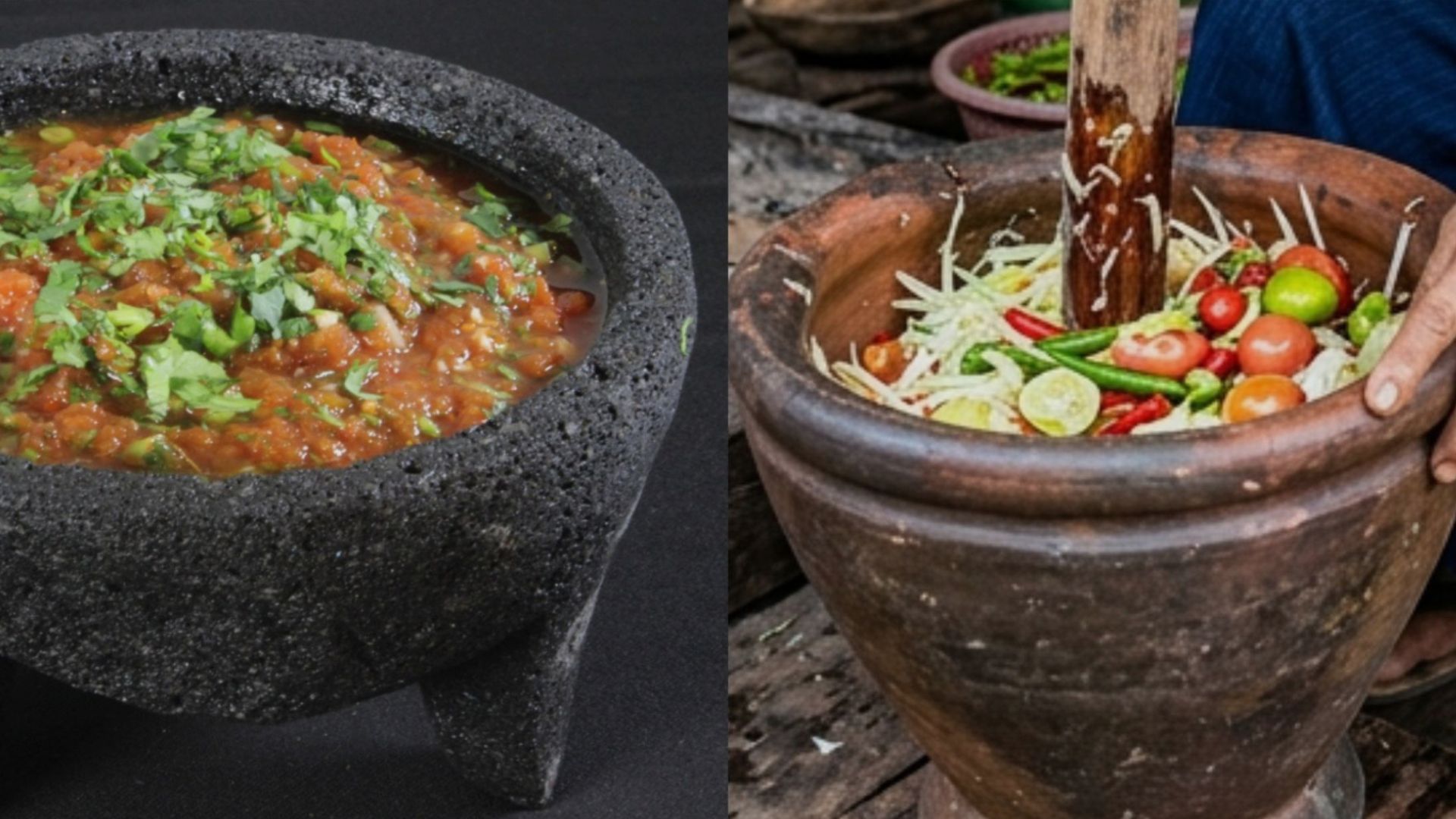
Walk into almost any household in either country, and you’ll find a version of the mortar and pestle. The materials might differ, but the rhythm of the kitchen remains the same; whether pounding herbs for a Lao ແຈ່ວ Jeow or grinding chilies for a Mexican Salsa.
ຄົກສາກ Khok Saak (Mortar and pestle) use for ຕຳໝາກຫູ່ງ Tam Maak Hoong (papaya salad)
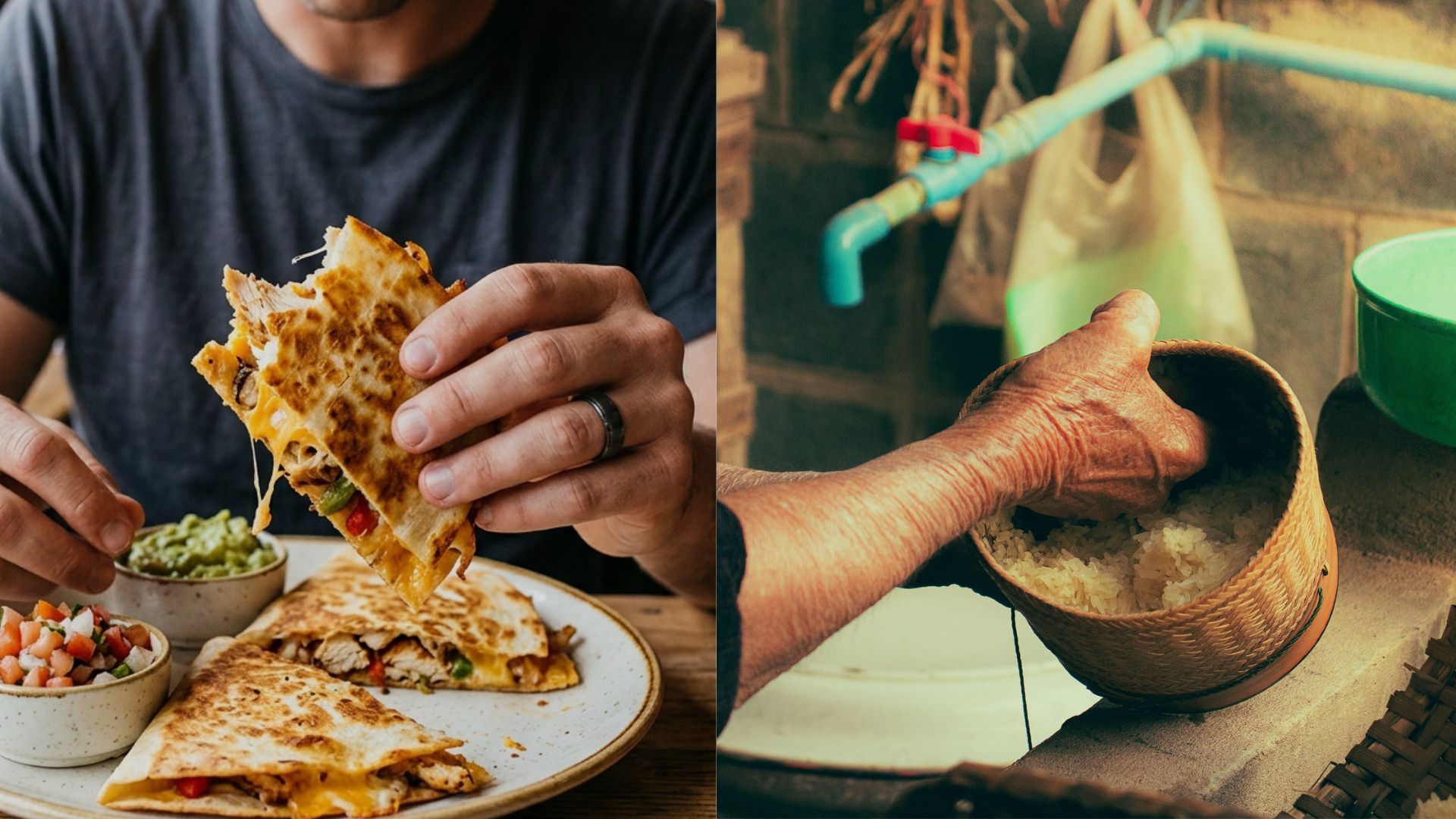
The Art of Eating with Your Hands 🤗
Perhaps the deepest connection lies in how the food is enjoyed:
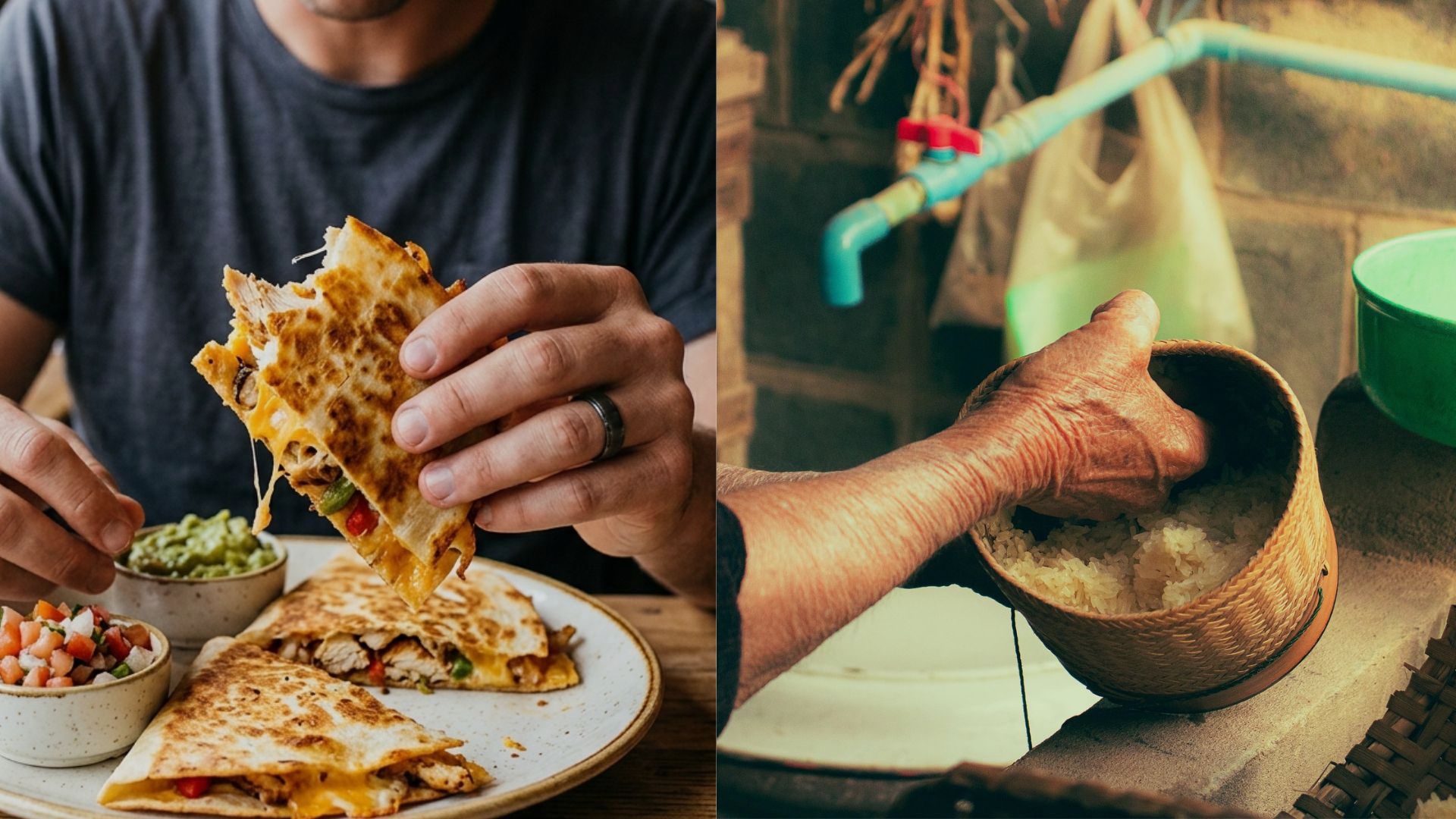
- In Mexico, tortillas act as edible utensils to scoop up meats, beans, and Salsa.
- In Laos, sticky rice is rolled into small balls by hand to dip into ແຈ່ວ Jeow or pair with savory dishes.
In both cultures, eating with your hands isn't just about convenience. It’s a sensory tradition that grounds you, connects you to your food, and creates a warm sense of family and community around the table.
Conclusion
Food is only the beginning. Beyond ແຈ່ວ Jeow and Salsa lies a world of surprising parallels; from local traditions and family values to the rhythm of daily life and hospitality. Once you start spotting these hidden threads, Lao culture comes alive in a whole new way.
What surprised you most, or have you noticed parallels with your own culture?
Join our private community for Lao learners
Connect with Lao learners from around the world and keep your Lao alive. LES Community offers weekly speaking sessions, personal feedback from Ginie, and a full resource library.