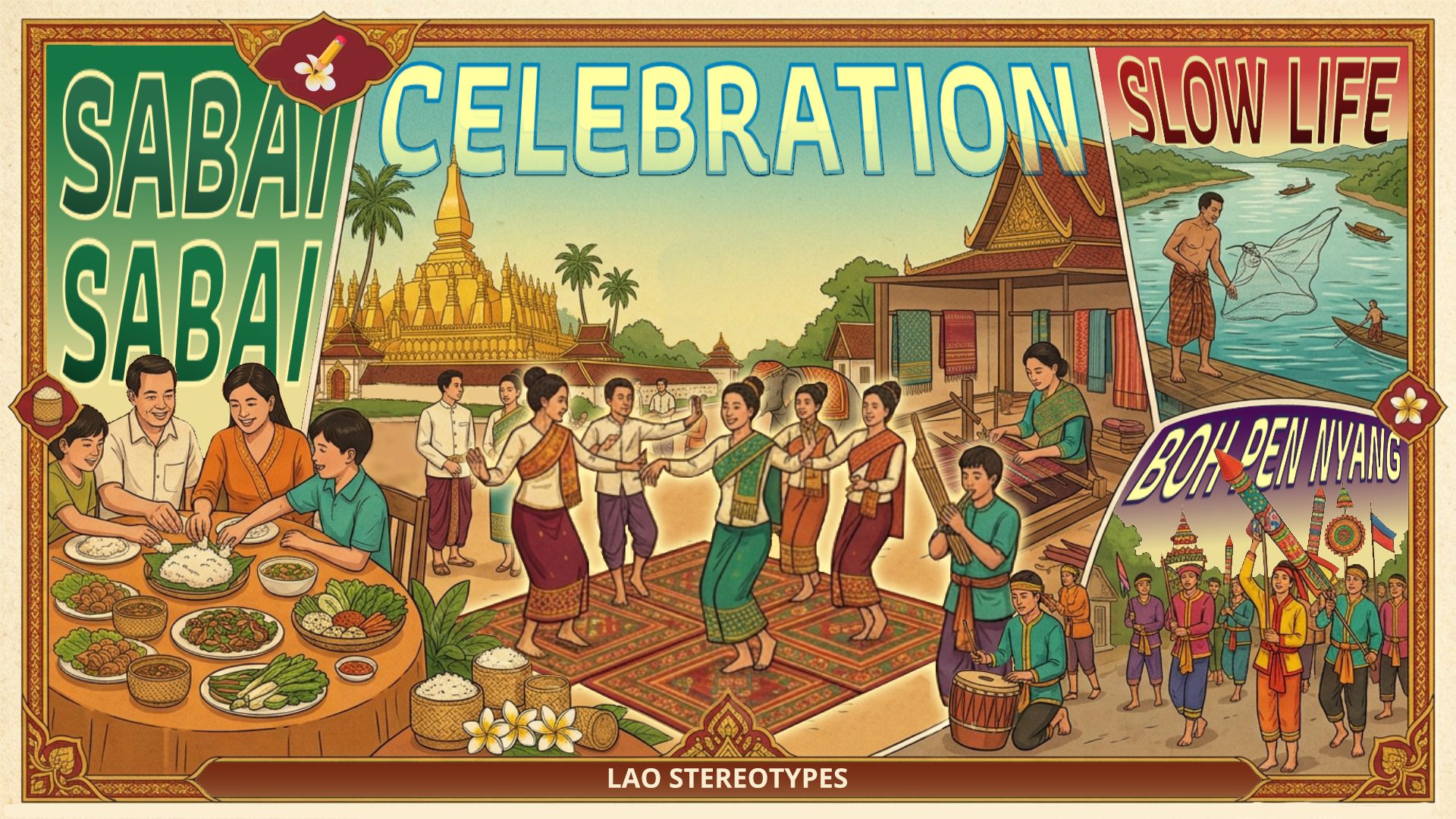

Understanding Lao culture means looking beyond surface impressions and everyday habits. Many people who grow up around Lao families or Lao communities notice patterns in behavior. These ideas often turn into stereotypes, but they don’t tell the full story.
This blog breaks down five common Lao stereotypes, explains where they come from, and reveals the cultural values behind them.
Lao People Are “Always Late”
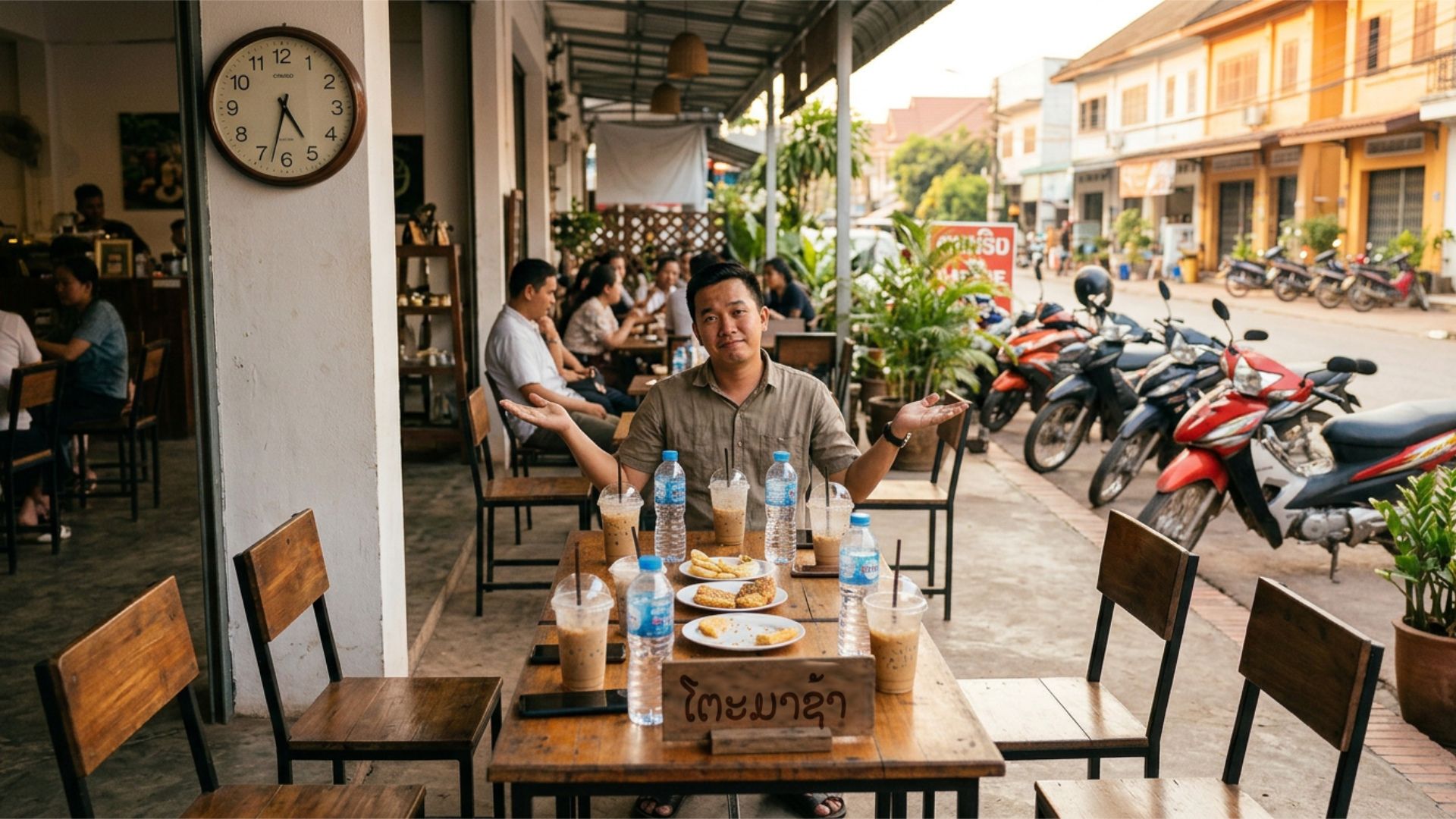
It’s common to wait 30 minutes, 1 hour, or even 2 hours for someone to show up, and everyone jokingly calls it "Lao time".
Lao time - ເວລາລາວ velaa lao
But Lao time isn’t about disrespect; it’s rooted in a relationship-based culture and a flexible approach to daily life.
This stereotype exists because of flexible schedules in rural communities, a tendency to prioritize people over strict timing, and a cultural dislike of rushing or stress.
It is also important to understand that this isn’t unique to Laos. Many Southeast Asian cultures, including Thailand and the Philippines, share the same relaxed approach to time. It is part of a broader regional mindset where human connection matters more than strict punctuality.
The reality is that Lao people value presence more than punctuality. When they arrive, they bring warmth, calmness, and genuine connection.
The Famous “Boh Pen Nyang” Mentality
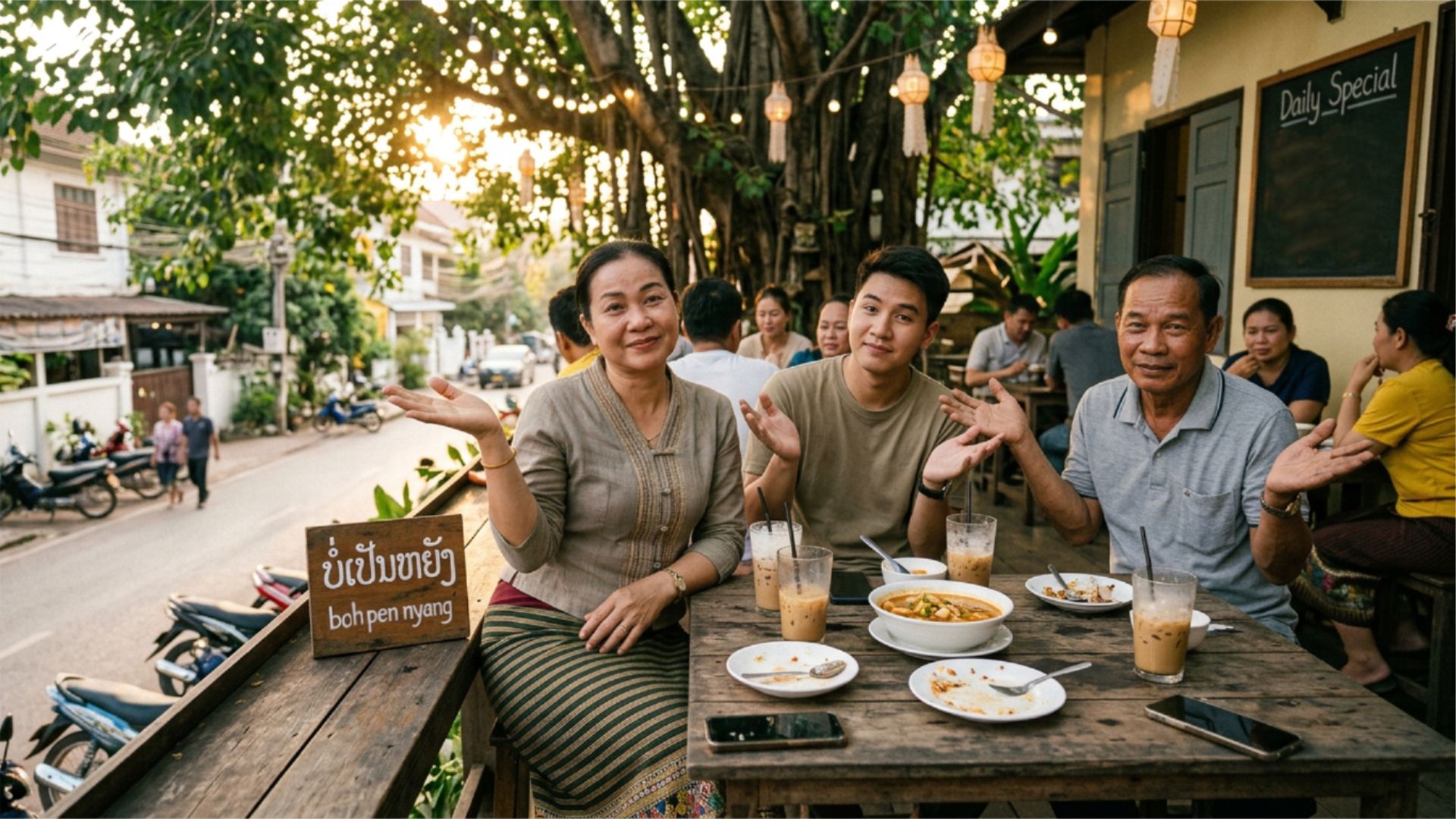
It’s okay, no problem, don’t worry - ບໍ່ເປັນຫຍັງ boh pen nyang
It is one of the most recognizable Lao cultural traits, especially among people who grow up around Lao communities. This mindset is deeply connected to Buddhist teachings, especially the idea that life is constantly changing and that holding onto stress or anger only creates suffering. In simple terms, it reflects the belief that "what happens, happens" and the best response is calm acceptance.
This view stems from a strong Buddhist influence on daily life, a cultural preference for harmony and avoiding conflict, and a desire to reduce unnecessary stress to maintain peaceful relationships.
It isn’t laziness; it is emotional intelligence. Lao people choose peace over chaos, acceptance over frustration, and calmness over conflict.
Lao People Live a “Slow Life”
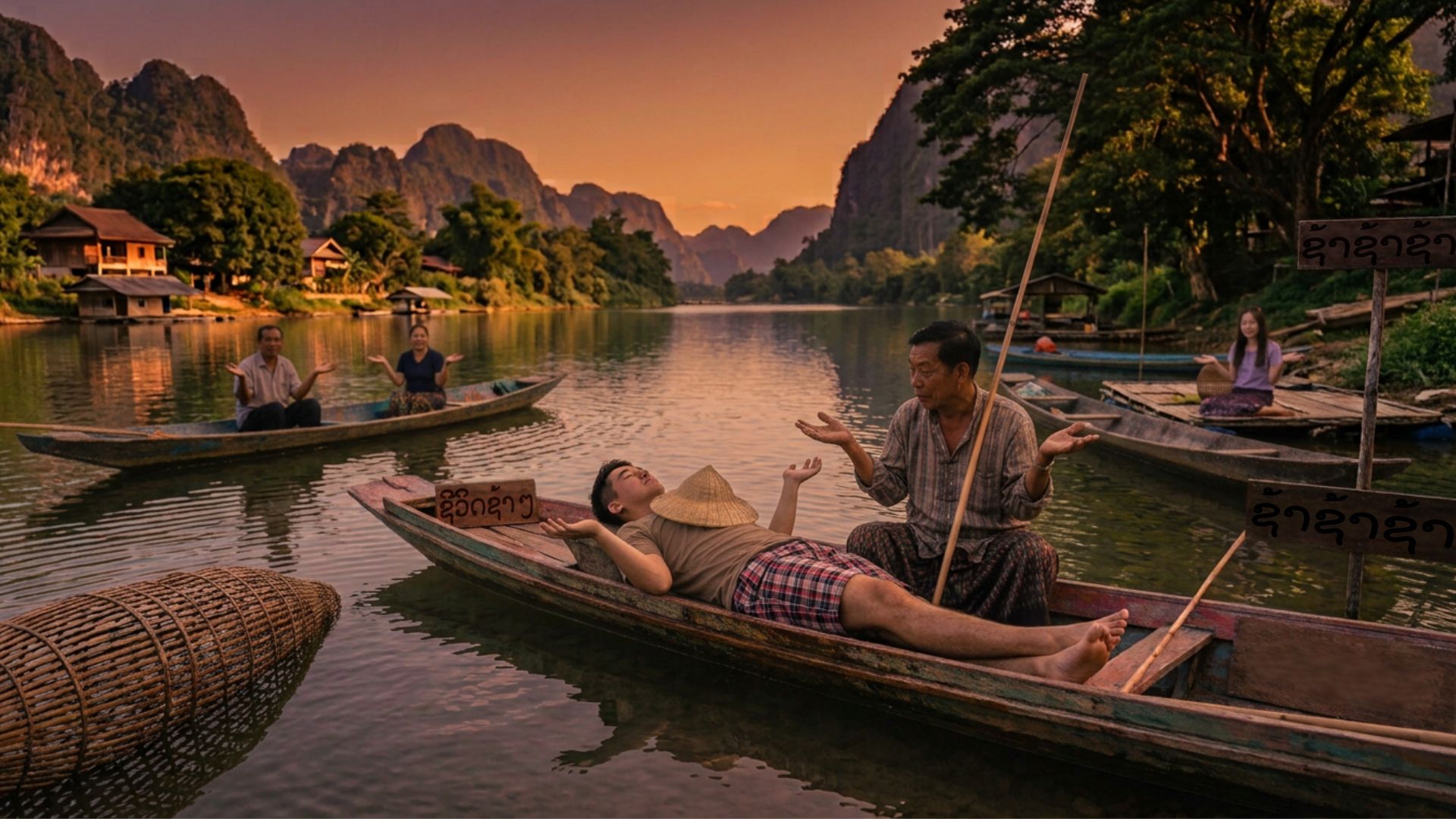
People who know Lao communities often describe the lifestyle as calm, steady, and unhurried. Even visitors who spend time in Laos frequently say the country feels like a retreat, a place where you naturally slow down, breathe, and reconnect with nature. Compared to Thailand, where there is always something happening through traffic, nightlife, shopping, and events, Laos offers a quieter rhythm that many people find refreshing.
**Slow life **- ຊີວິດຊ້າໆ seevid saa2
This slower image comes from rural traditions, community-based lifestyles, less pressure from industrialization, and a cultural value placed on enjoying the present moment while staying grounded. However, "slow" doesn’t mean unproductive. Lao people work hard, but they don’t let stress dominate their lives. The slower pace reflects a cultural choice to prioritize balance, nature, and meaningful daily routines.
Lao People Love Extremely Spicy Food
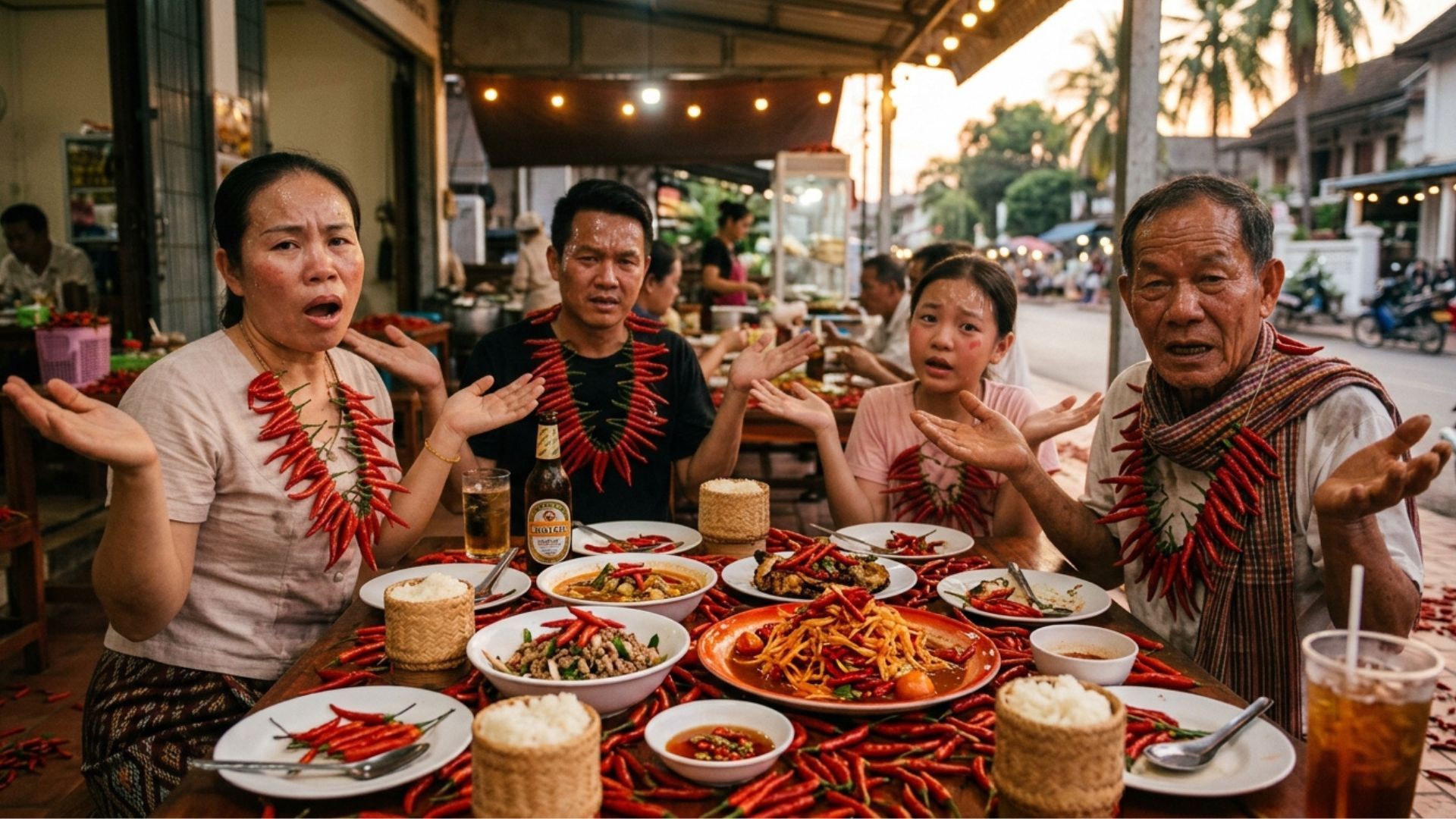
Lao cuisine is known for bold flavors, fresh herbs, and chili. Dishes like tam mak hoong (papaya salad) ຕໍາໝາກຫຸ່ງ and larb (mince salad) ລາບ make many people assume Lao food is always extremely spicy, and honestly, many Lao people proudly agree.
There is even a common saying: **If it’s not spicy, it’s not yummy **- ບໍ່ເຜັດ ບໍ່ແຊບ boh phed boh saeb
This perception exists because chili is a core ingredient in traditional cooking, spicy food helps preserve freshness in hot climates, and strong herbal flavor profiles pair naturally with heat.
Spiciness isn’t just about taste; it is part of the identity of Lao food. The heat brings out the aroma of herbs like lemongrass, mint, and coriander, making dishes feel complete. Not everyone eats super spicy food, but chili remains a cultural symbol of Lao identity.
For many Lao people, a dish without heat feels incomplete, almost like it’s missing its soul.
Lao People Celebrate Everything; Any Occasion Becomes a Party
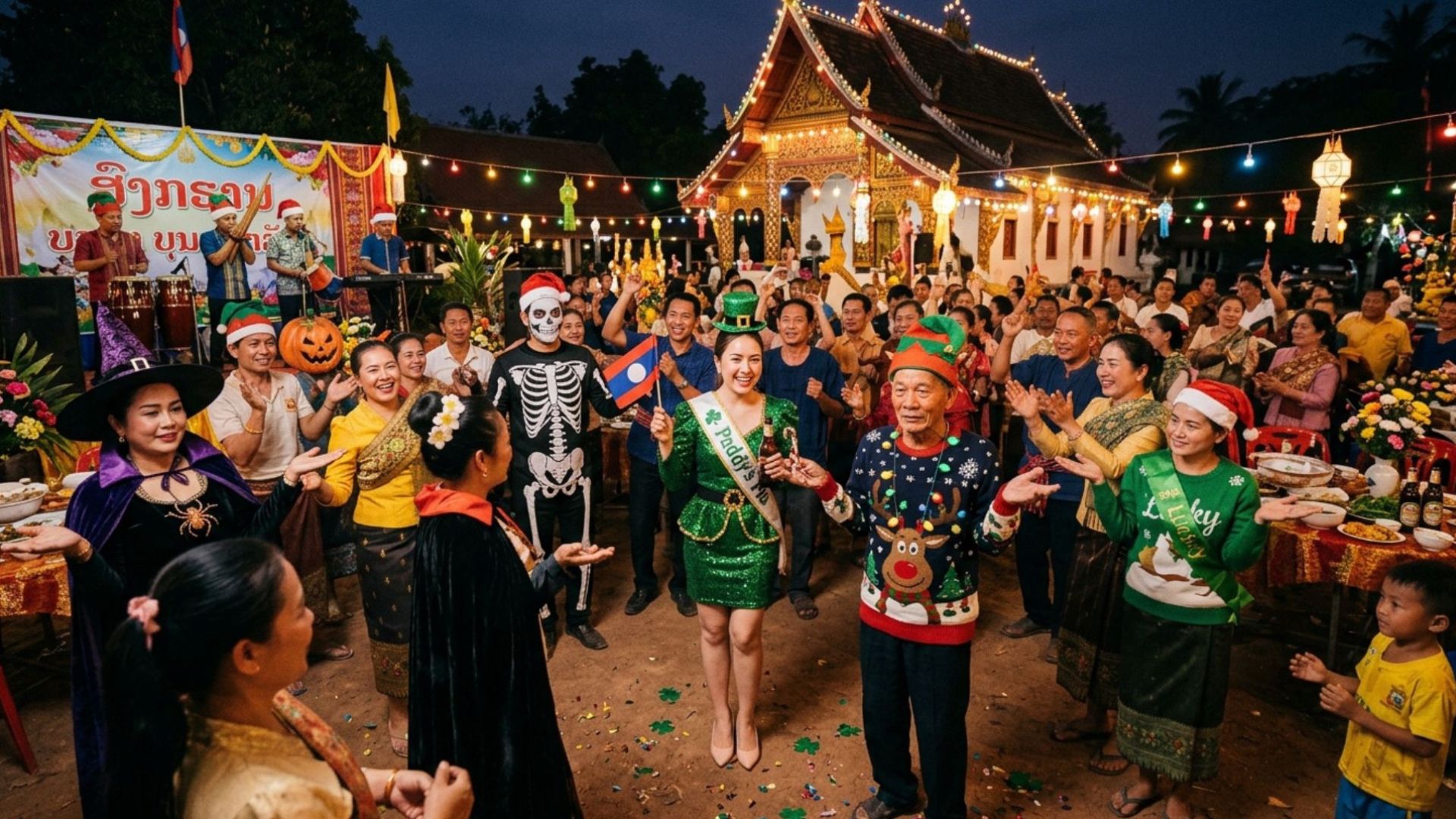
This stereotype is common among anyone who has Lao friends, neighbors, or family. Lao people love gathering, sharing food, and celebrating life’s moments, big or small. Even events that aren’t traditionally part of Lao culture, like Christmas or St. Patrick's Day, often become fun excuses to meet, eat, and enjoy time together. The celebration isn’t about the holiday itself; it’s about the chance to be together.
This reputation comes from a strong family-centered culture, community bonding through food and music, traditional events like Boun festivals, weddings, housewarmings, and monk ordinations, alongside the belief that sharing joy strengthens relationships. Lao celebrations aren’t just parties. They are cultural expressions of unity, gratitude, and happiness. Whether it is a birthday, a new house, a good harvest, a friend visiting, or even a holiday Laos doesn’t officially celebrate, Lao people turn moments into memories.
Conclusion: Stereotypes Reflect Values, Not Truths
These five Lao stereotypes, including being late, bor pen nyang, slow living, loving spicy food, and celebrating everything, point to deeper cultural values. They show how Lao people prioritize peace, balance, and human connection. Understanding these stereotypes helps readers appreciate Lao culture with more depth and respect.
Join our private community for Lao learners
Connect with Lao learners from around the world and keep your Lao alive. LES Community offers weekly speaking sessions, personal feedback from Ginie, and a full resource library.