Did you know, the Lao language is a part of the Tai-Kadai language family?
The origins of Tai-speaking people can be traced back to 2,000 years ago to areas in Northern Vietnam & Southern China. The Lao language belongs to the Tai-Kadai language family and is a tonal (monosyllabic) language, meaning pitch and tone are essential in distinguishing meaning between words that may otherwise sound the same.
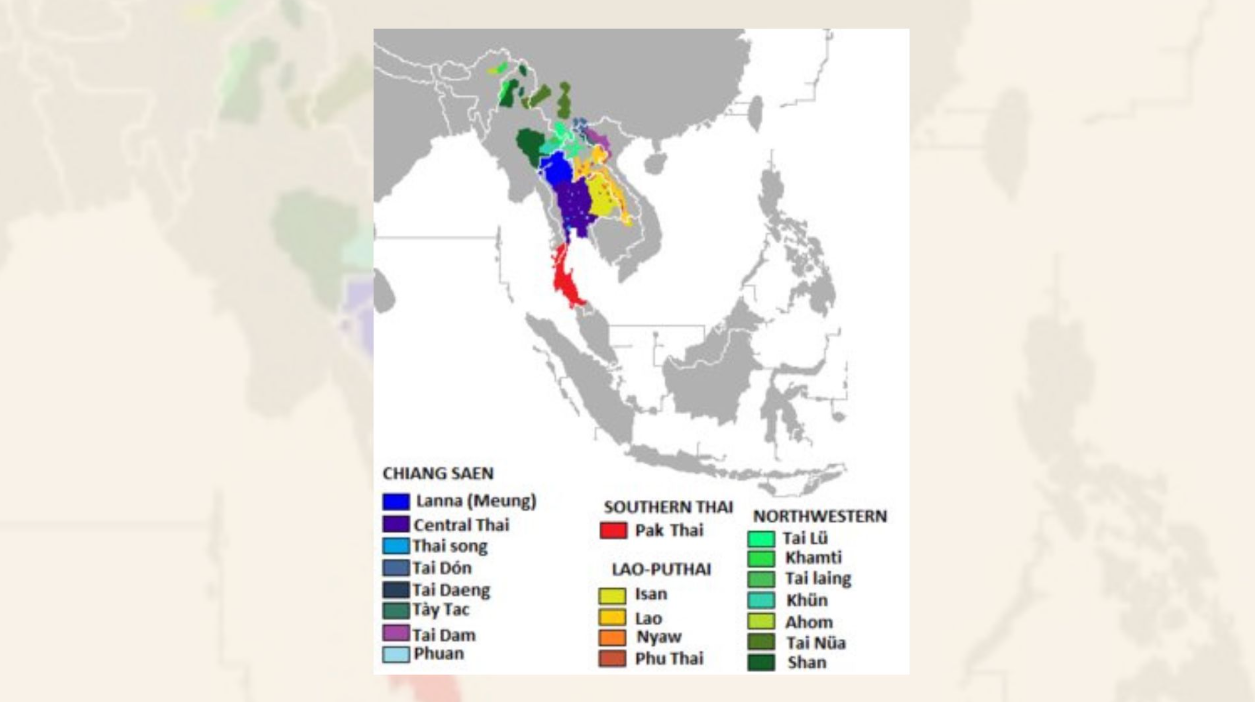
The Lao writing system reflects this deep history. Lao script is syllabic in nature and was historically derived from Old Khmer script, with strong influence from Pali, the ritual language of Theravada Buddhism. This is why Lao writing is closely tied to religious texts, temple inscriptions, and spiritual teachings. Do note that there is no official Roman transliteration convention for Lao. Therefore, we cannot technically translate Lao writing to other language accurately. However, due to our history of French colonization in the past, Lao normally follows French orthographic conventions. Which is why Roman transliterations may differ between French and English.
Pali Scripture
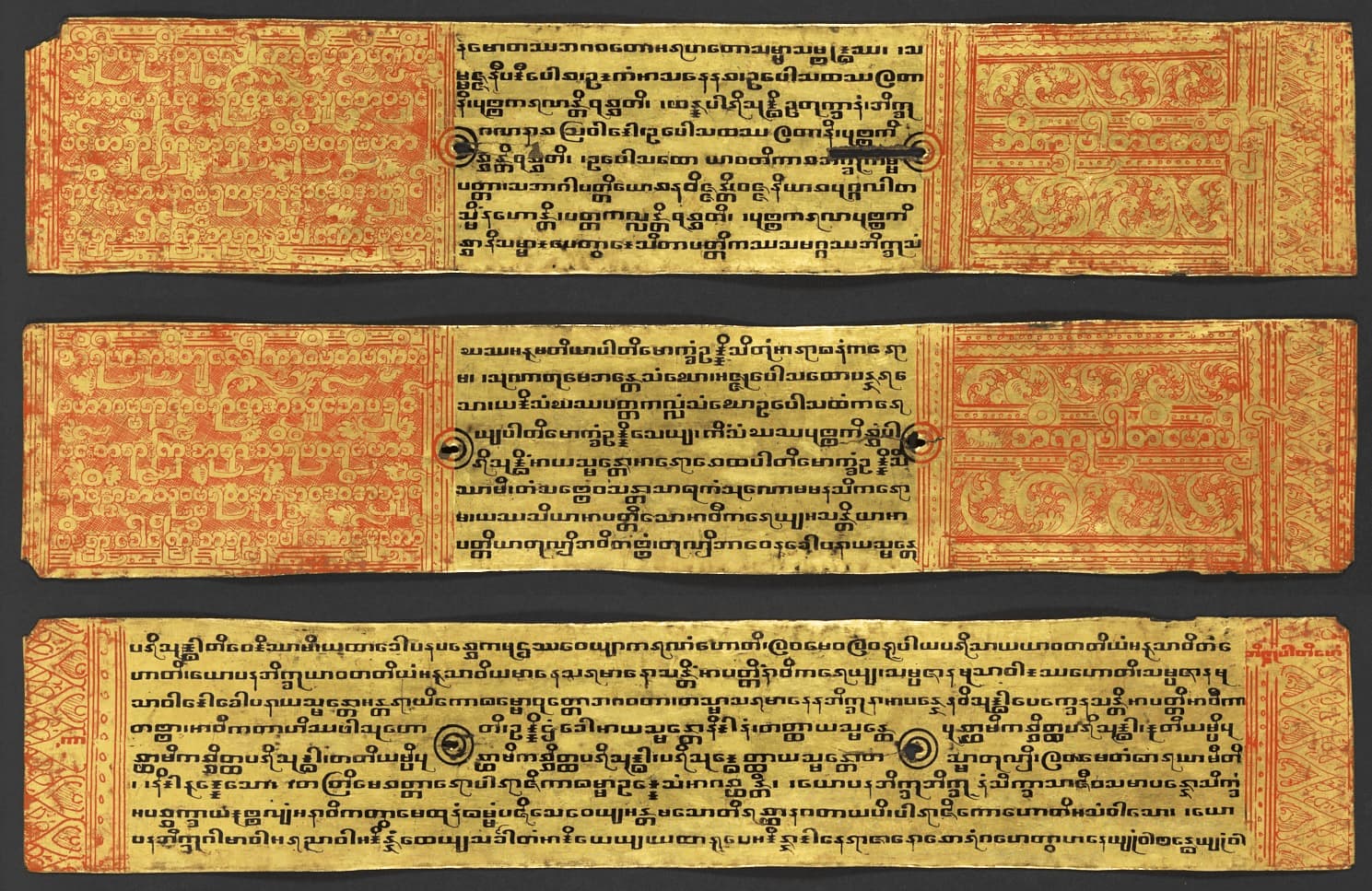
Old Khmer Scripture

This tonal system helps explains why Lao can sound similar familiar to speakers of neighboring languages such as Thai or Khmer. Due to shared linguistic roots and centuries of migration, trade, and cultural exchanges across Southeast Asia, people across borders can often recognize similar words, sounds, or sentence rhythms may understand each other. 🤝
Join our private community for Lao learners
Connect with Lao learners from around the world and keep your Lao alive. LES Community offers weekly speaking sessions, personal feedback from Ginie, and a full resource library.